



PROJECT-BASED EV CHARGING SOLUTIONS
EV Charging Solutions Manufacturer in India for Real-World Projects
How will vehicles actually use this location?
Power9 is an EV charging solutions manufacturer in India providing project-focused charging solutions for workplaces, fleets, commercial properties, public destinations, apartments and shared parking environments. Our approach considers vehicle usage, parking duration, available electrical capacity, expected charging demand and management requirements before identifying a suitable AC, DC or combined charging configuration.
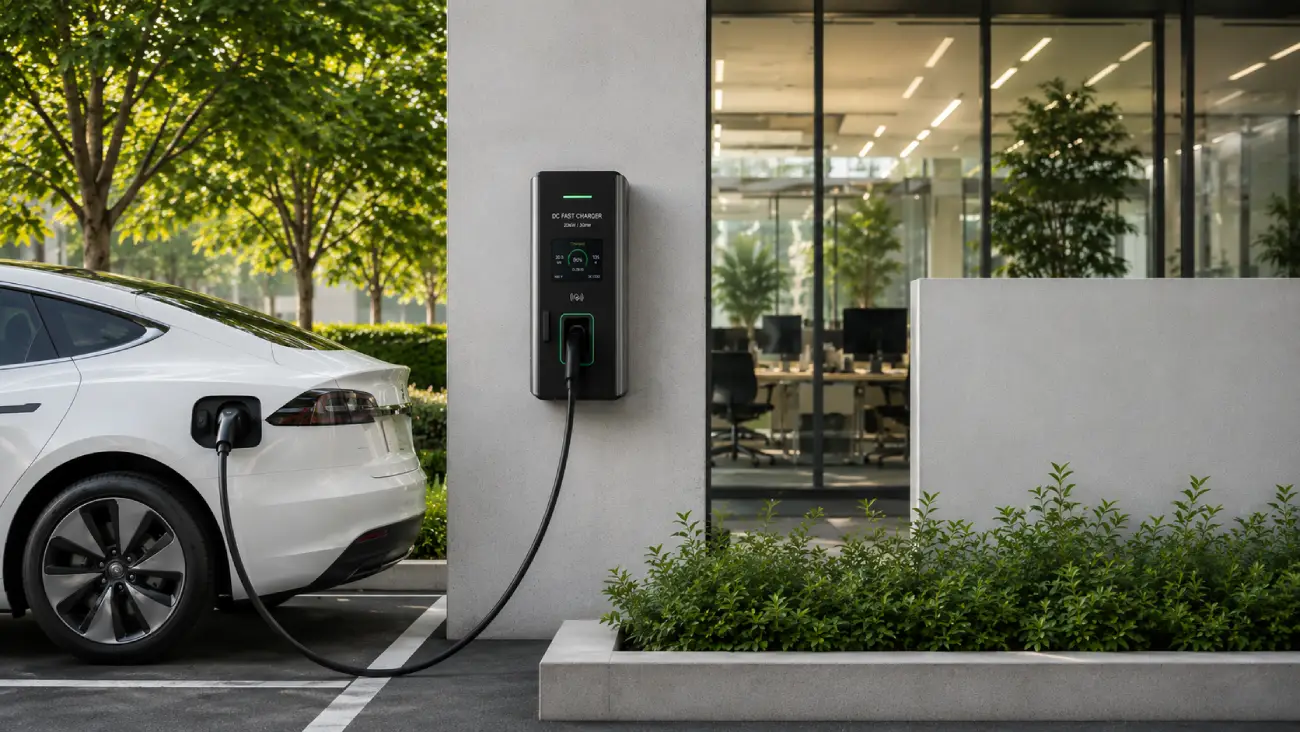
Workplace EV Charging
Power9 workplace EV charging solutions are designed around how employees, visitors and fleet vehicles use parking facilities throughout the day. Charger selection can depend on parking duration, number of users, available electrical capacity and charging-management requirements. AC charging may suit longer parking periods, while other project requirements may call for different charging configurations.
- Employee dwell time
- Number of EV users
- Available electrical capacity
- Access management
- Future adoption
- Charging policy
Fleet EV Charging
Fleet charging requires more than simply installing chargers. Vehicle schedules, daily mileage, return-to-base timing, simultaneous charging demand and available site power all influence the charging setup. Power9 helps project teams evaluate AC and DC charging options for fleet environments based on operational requirements and planned vehicle usage.
- Daily vehicle distance
- Battery capacity
- Return-to-depot time
- Next departure
- Charging window
- Number of vehicles
- Electrical capacity
- Expected fleet growth
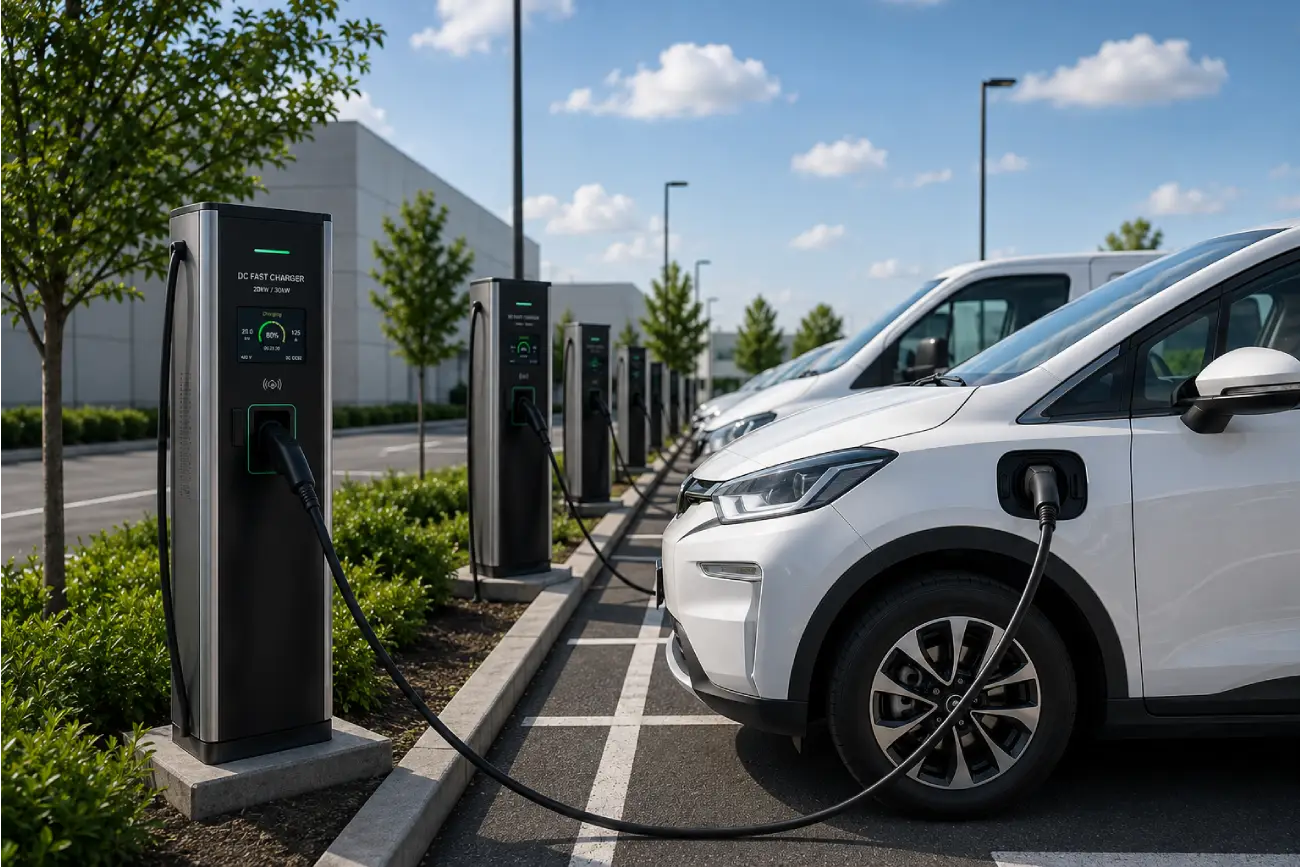
Commercial EV Charging
As a commercial EV charger manufacturer, Power9 develops charging solutions for businesses, commercial properties and customer-facing locations where charger selection must align with parking behaviour, available power and expected charging demand.
The Power9 product range gives projects two different approaches:
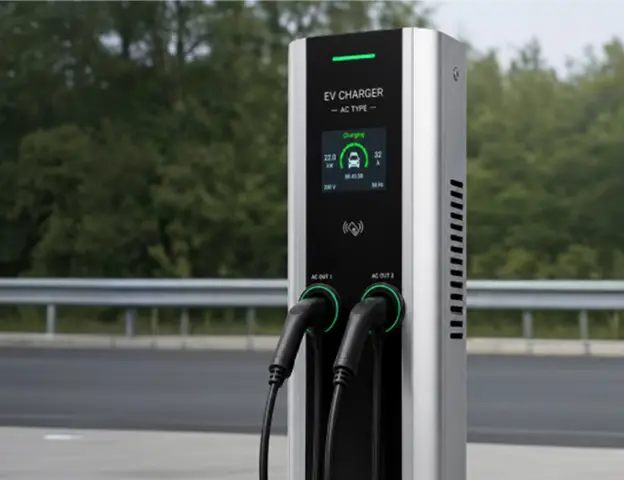
Dual-Gun Ac Charging
Suitable for applications where vehicles remain parked for longer periods and managed AC charging is appropriate.
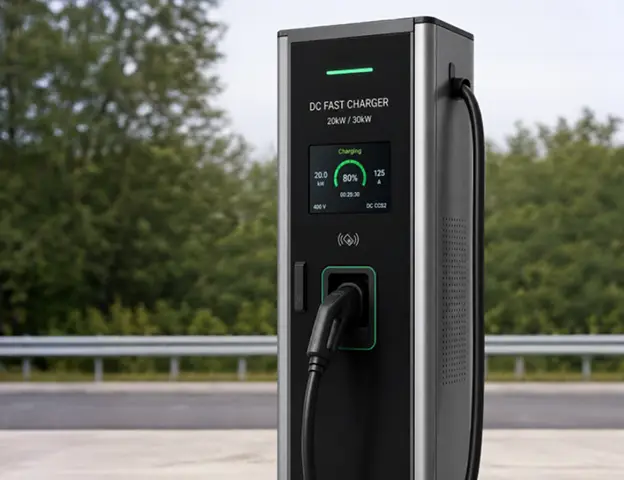
20/30kW DC Charging
Designed for project requirements where faster charging is needed and the site’s electrical infrastructure can support the selected configuration.
Public & Destination EV Charging
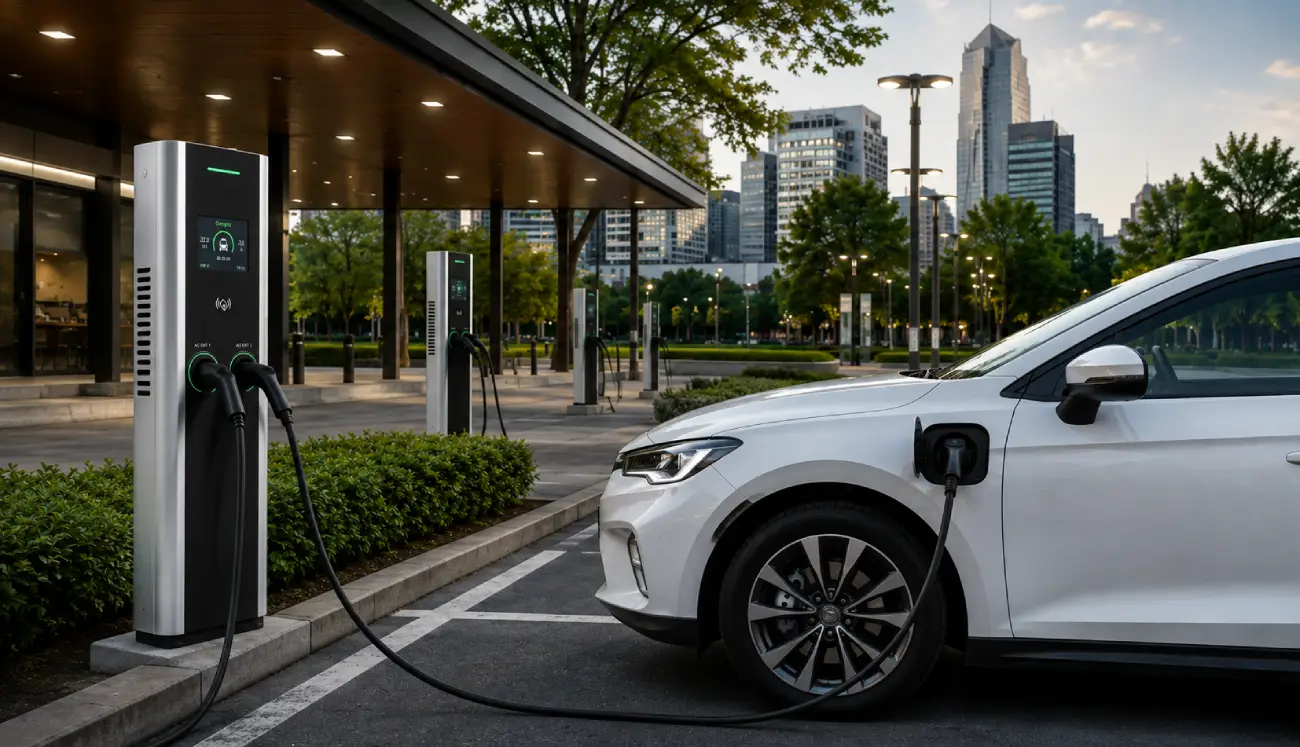
Public and destination charging projects can have different requirements depending on visitor dwell time, expected charging demand, parking configuration and site infrastructure. Power9 charging solutions can be evaluated for suitable public, hospitality, retail, destination and customer-parking environments based on project requirements.
Apartment & Shared Parking EV Charging
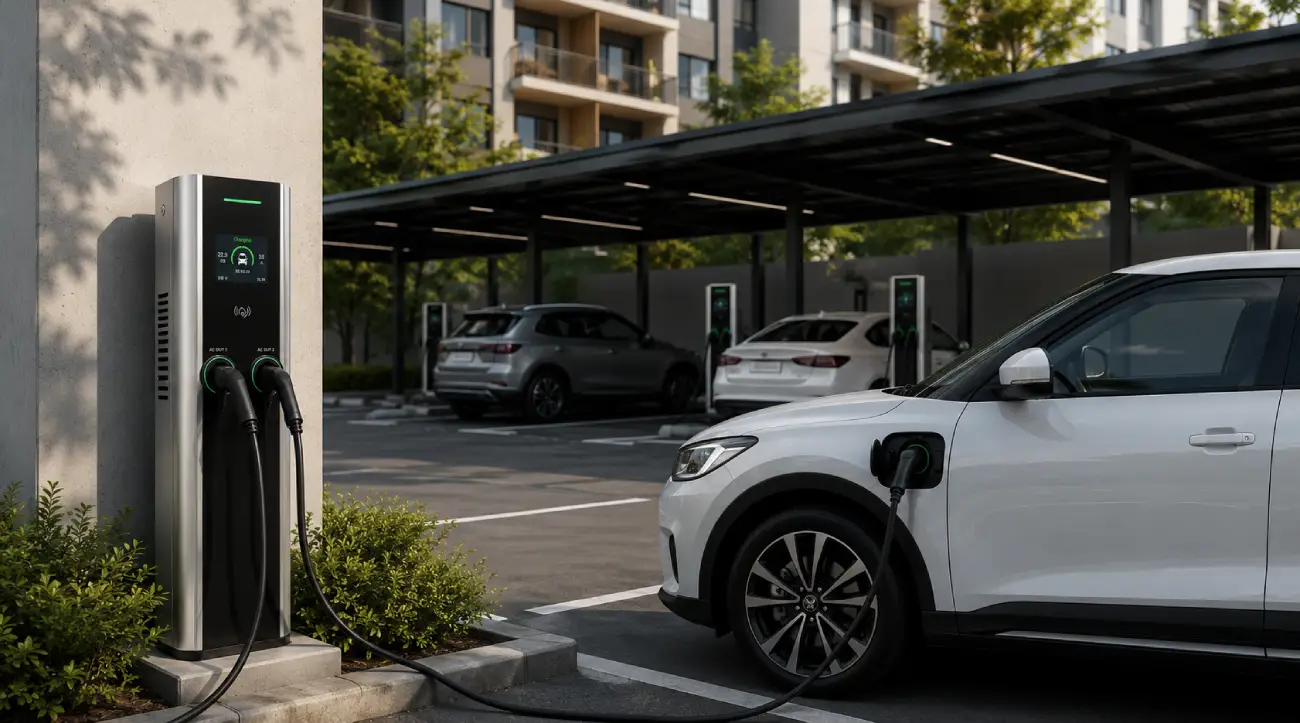
Apartment and shared-parking charging requires planning around user access, electrical capacity, parking allocation and future expansion. Power9 evaluates charging requirements based on how residents use the parking facility and how charging access needs to be managed. Depending on the project, suitable configurations may include AC charging, user authentication and connected-management capabilities.
-
Parking allocation
-
Electrical capacity
-
Cable routing
-
User authentication
-
Metering
-
Future charging points
-
Load management
How Power9 Approaches an EV Charging Project
As an EV charging solutions company, Power9 evaluates the operating requirement before recommending charger hardware. This helps align the charging configuration with the site’s actual use case.
1. Understand the Vehicles
What vehicles need charging and what charging capability do they support?
2. Understand the Charging Window
How long will each vehicle remain parked?
3. Assess Electrical Capacity
What power is available at the location?
4. Estimate Charging Demand
How much energy must be delivered before the vehicle leaves?
5. Select AC, DC or a Combination
Choose according to the actual operating requirement.
6. Plan for Expansion
Consider what happens when EV adoption increases.
Which Power9 EV Charger Fits Your Requirement?
Different EV charging applications require different charger configurations. Use the comparison below as an initial guide, then review the detailed charger specifications before finalising a project.
| Requirement / Spec | AC Dual Gun (23 kW) | 20/30 kW DC Fast Charger |
|---|---|---|
| Two simultaneous charging points | Strong fit | No |
| Longer parking duration | Strong fit | Possible |
| Faster vehicle turnaround | Limited by AC/vehicle capability | Stronger fit |
| Workplace | Strong fit | Selected applications |
| Commercial property | Strong fit | Strong fit |
| Fleet | Longer-dwell fleets | Strong fit |
| Managed connectivity | Yes | Yes |
| Dynamic load management | Yes | Yes |
| Public/high-use charging | Selected applications | Stronger fit |
View complete AC and DC charger specifications on our EV Chargers page.
EV Charging Infrastructure Designed Around the Project
Power9 combines charging hardware, connected functionality and application-specific planning to support different EV charging environments. As an EV charging infrastructure manufacturer, our focus is not simply on charger power but on how the complete charging requirement fits the site. Project planning may consider vehicle types, parking duration, electrical infrastructure, user access, charging management and future expansion.
Learn more about electric mobility at the
Ministry of Heavy Industries
Frequently Asked Questions About EV Charging Solutions
What does an EV charging solutions manufacturer do?
An EV charging solutions manufacturer provides charging equipment and helps match charger configurations to different operational environments. Project requirements can include vehicle usage, charging speed, electrical capacity, access control and connected management.
Does Power9 provide commercial EV charging solutions?
Power9 provides AC and DC EV charging solutions that can be evaluated for commercial properties, workplaces, fleets, apartments and other project environments depending on site requirements.
What is the difference between an EV charger manufacturer and an EV charging solutions company?
An EV charger manufacturer focuses on charging equipment, while an EV charging solutions company may also consider application requirements, electrical infrastructure, charger management and project configuration.
How do I choose between AC and DC charging?
The choice depends on parking duration, required charging speed, vehicle compatibility, site electrical capacity and expected daily demand. Some projects may use both AC and DC charging.
Can Power9 plan charging for apartments and shared parking?
Power9 charging solutions can be evaluated for apartment and shared-parking environments based on electrical capacity, user access, parking allocation and expected future demand.
Let’s Design EV Charging Around Your Requirement
Tell us about your site, vehicles, charging window and available electrical infrastructure. Power9 can help you evaluate an AC, DC or combined EV charging configuration for your project.